Phoenix, Portland, and the Street Hierarchy
The latest edition of the High Country News just arrived in my inbox. They've published a nice piece on the experience and politics of walking in Phoenix compared to Portland. The piece is available online, but you have to subscribe to HCN to access the full text.
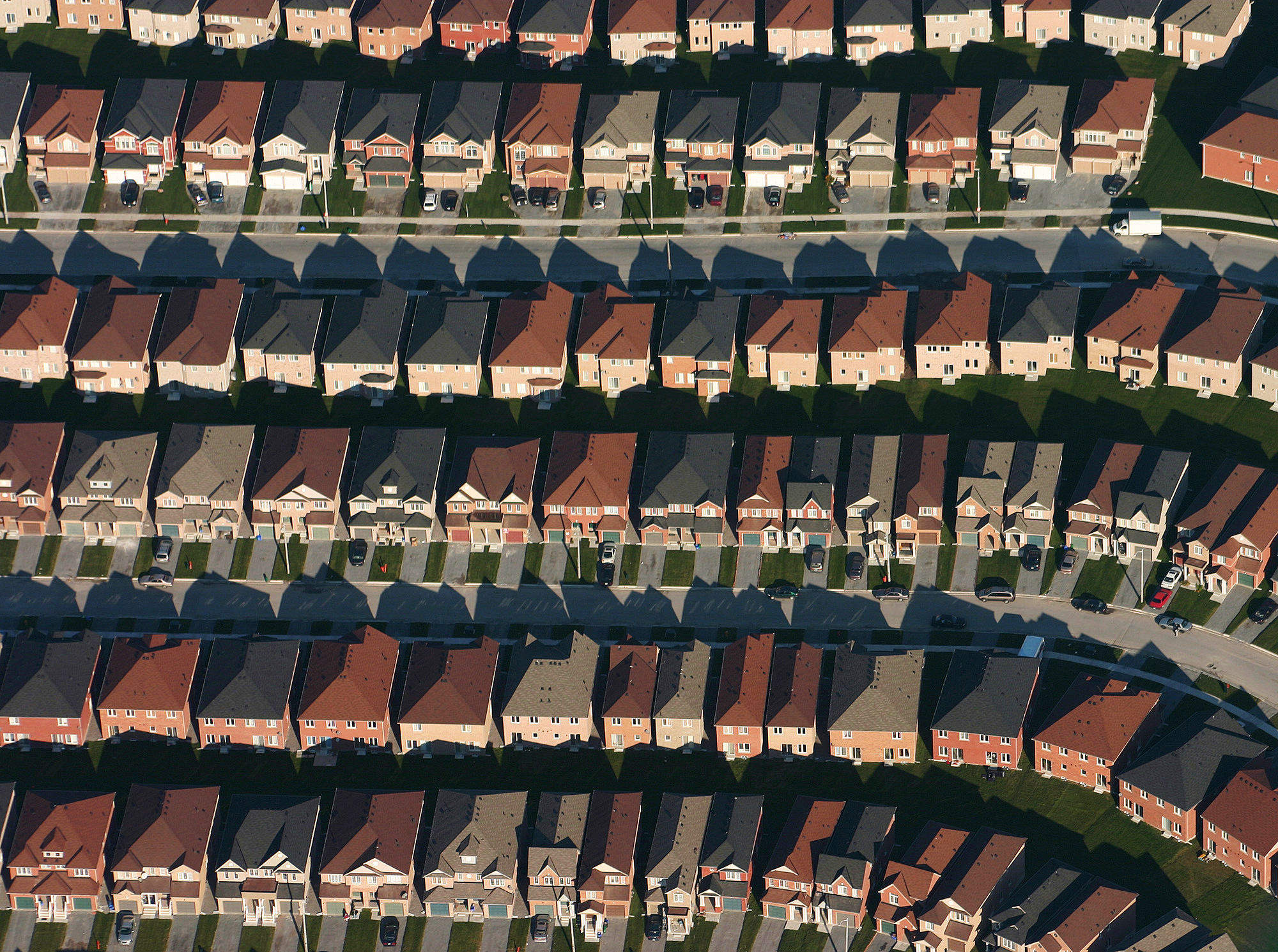
The major reason why people don't walk in Phoenix, according to the article, is a principle of urban design and land use known as "street hierarchy." Popularized in the U.S. in the 1960s, the idea was to segregate high-speed through traffic from residential areas by locating houses in a nest of meandering side streets while constructing fast throughways for nonlocal traffic. While this may sound rational, the effect is to increase the distance from residences to urban amenities, even when the houses and amenities are relatively closely located as the crow flies. The result: no one walks anywhere unless they absolutely have to.
Those who attended ECOS' last board meeting heard mayoral candidate Kevin Johnson say again that he sees Phoenix as a model of what Sacramento could become. To be fair, he wasn't citing Phoenix as a shining example of pedestrian-friendly planning. He seemed to be mostly enchanted with its successful downtown redevelopment. Still, when urban design so directly affects the transportation and lifestyle choices that a city's residents make, you have to why anyone would point to Phoenix as a successful model of anything!